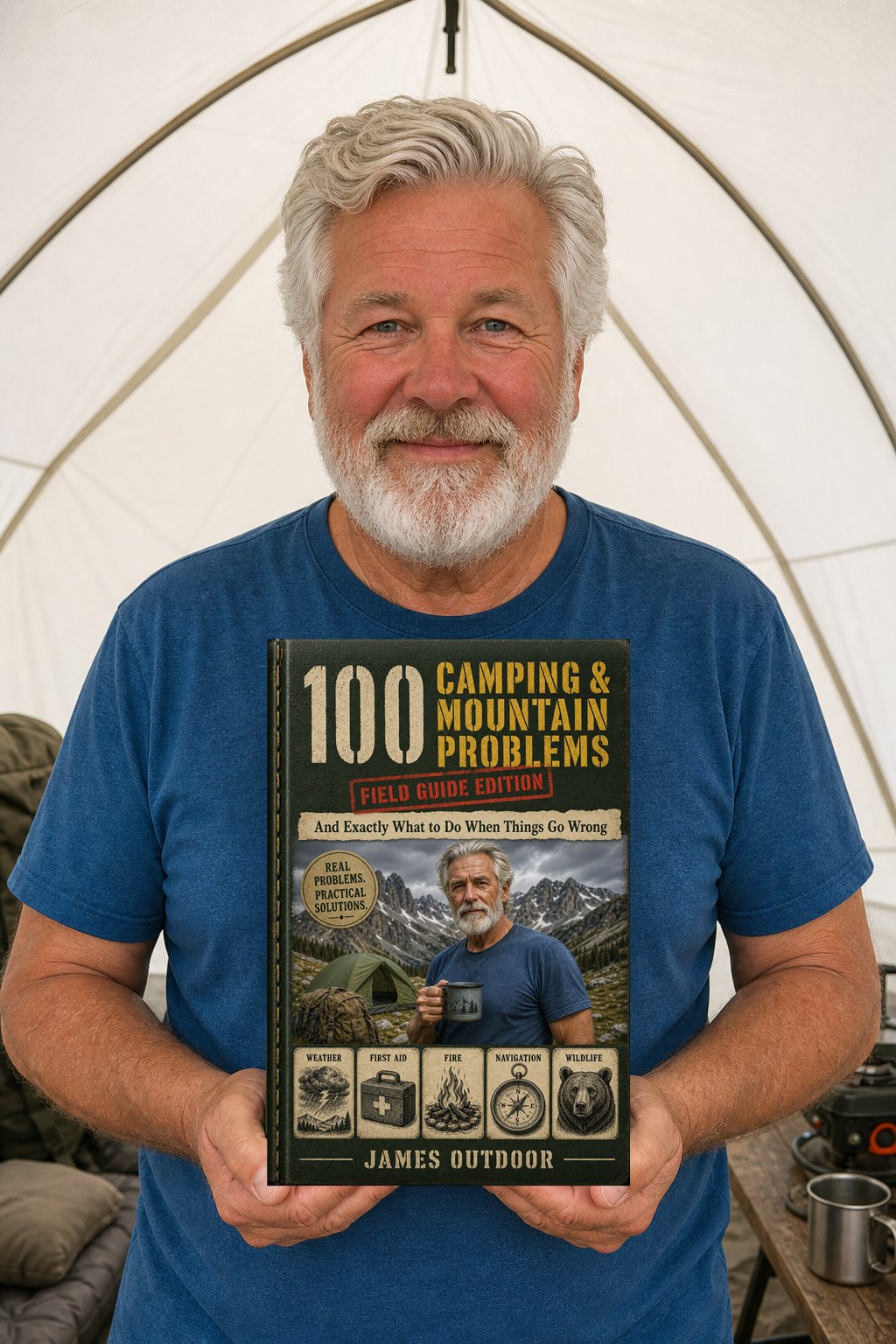
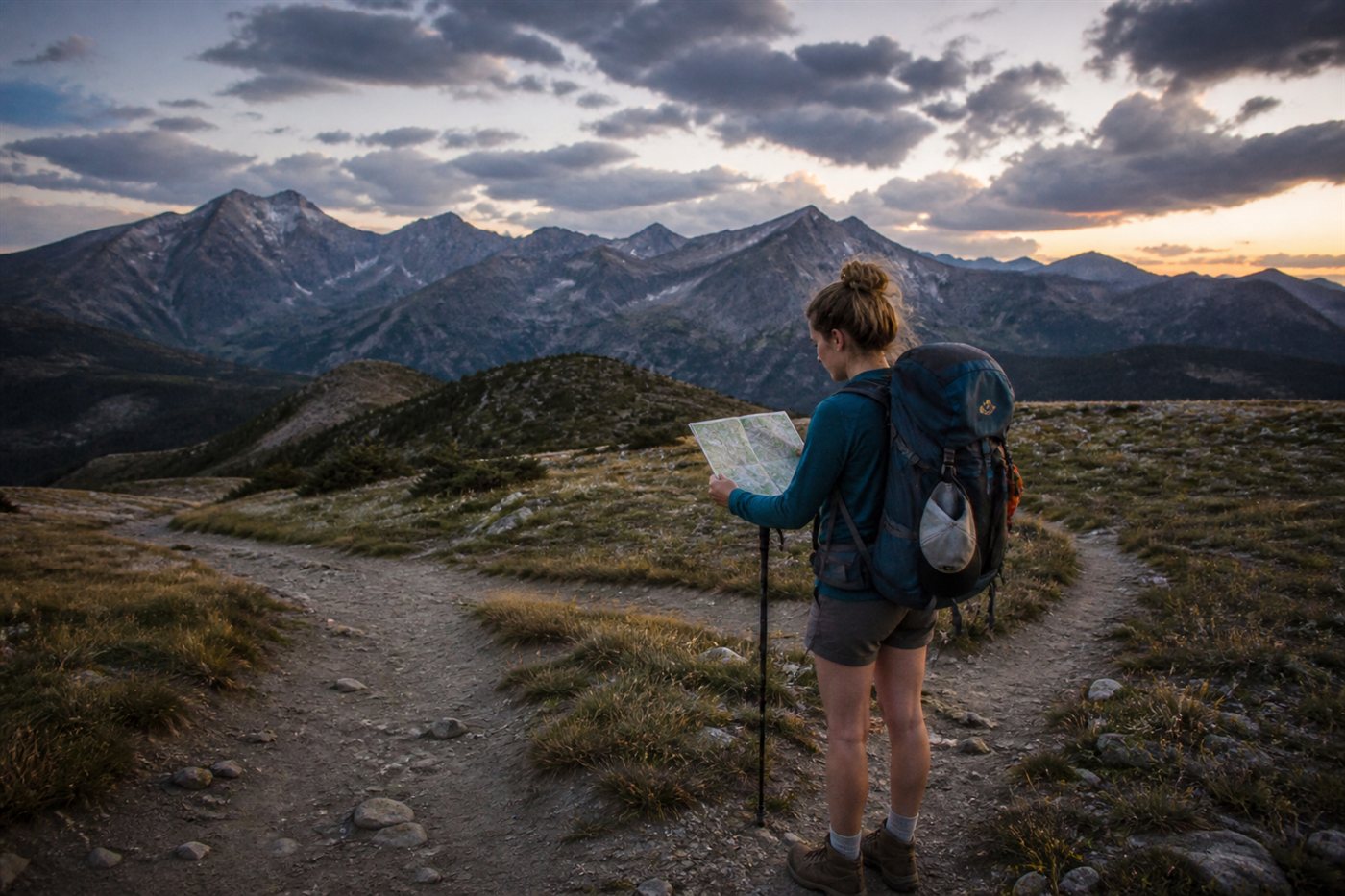
The storm that showed up four hours early. The sleeping pad that went flat at midnight. The footsteps circling the tent. The junction that wasn't where the app said. Every story on this page started the same way: "I didn't know what to do next." Here's how those stories end now.
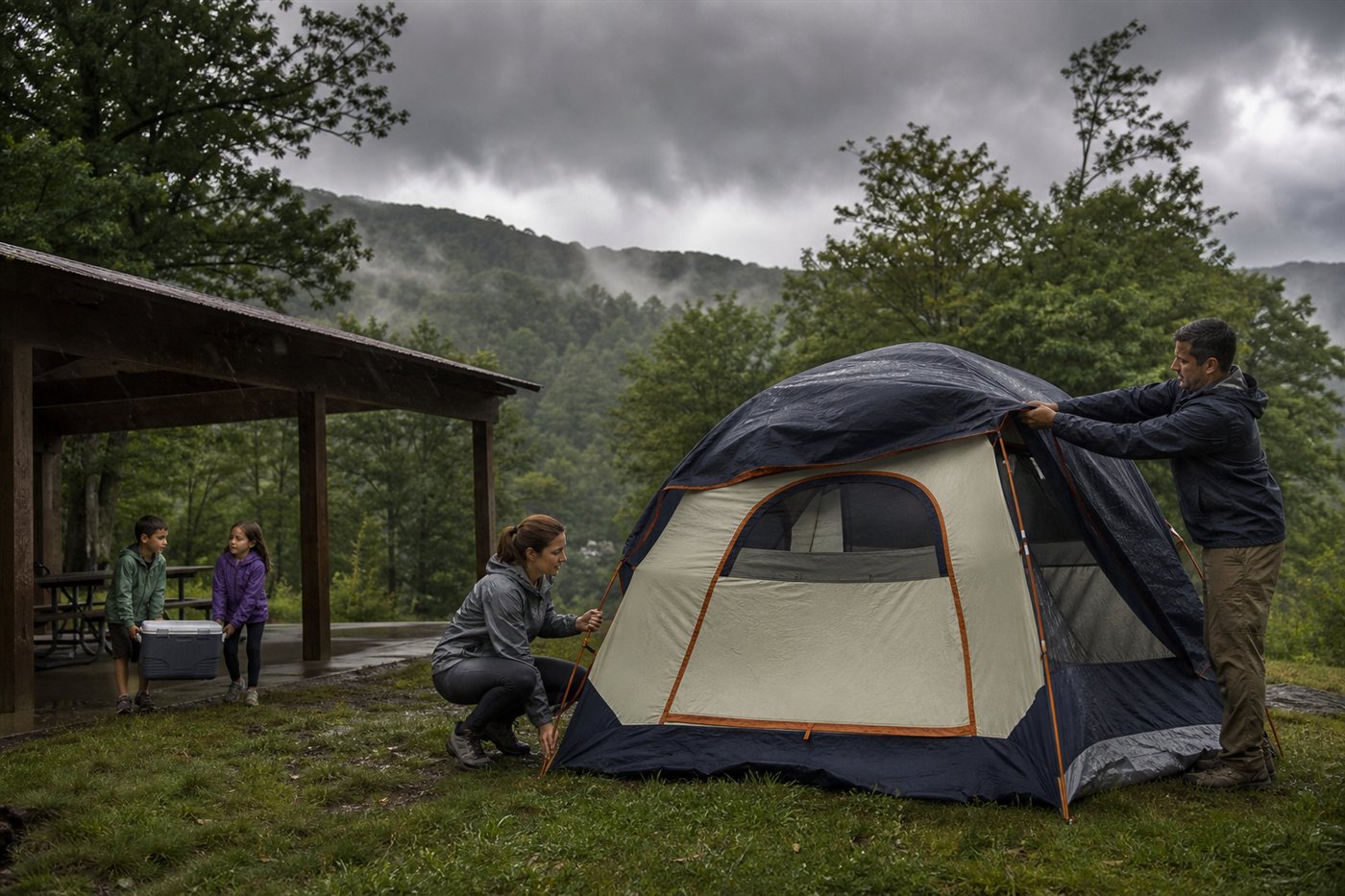
The forecast said evening rain. It arrived at 2pm with wind, and our first trip as a family of four started coming apart — literally. The weather chapter has a short pre-storm routine: pick the campsite with the problem trees already ruled out, guy out the rainfly before the first drop, move the cooler and packs under cover, move the car. We did it in that order while the kids held flashlights. The tent held. The bags stayed dry. And when it passed, we had a story instead of a ruined trip. That one routine was worth the price of the book.
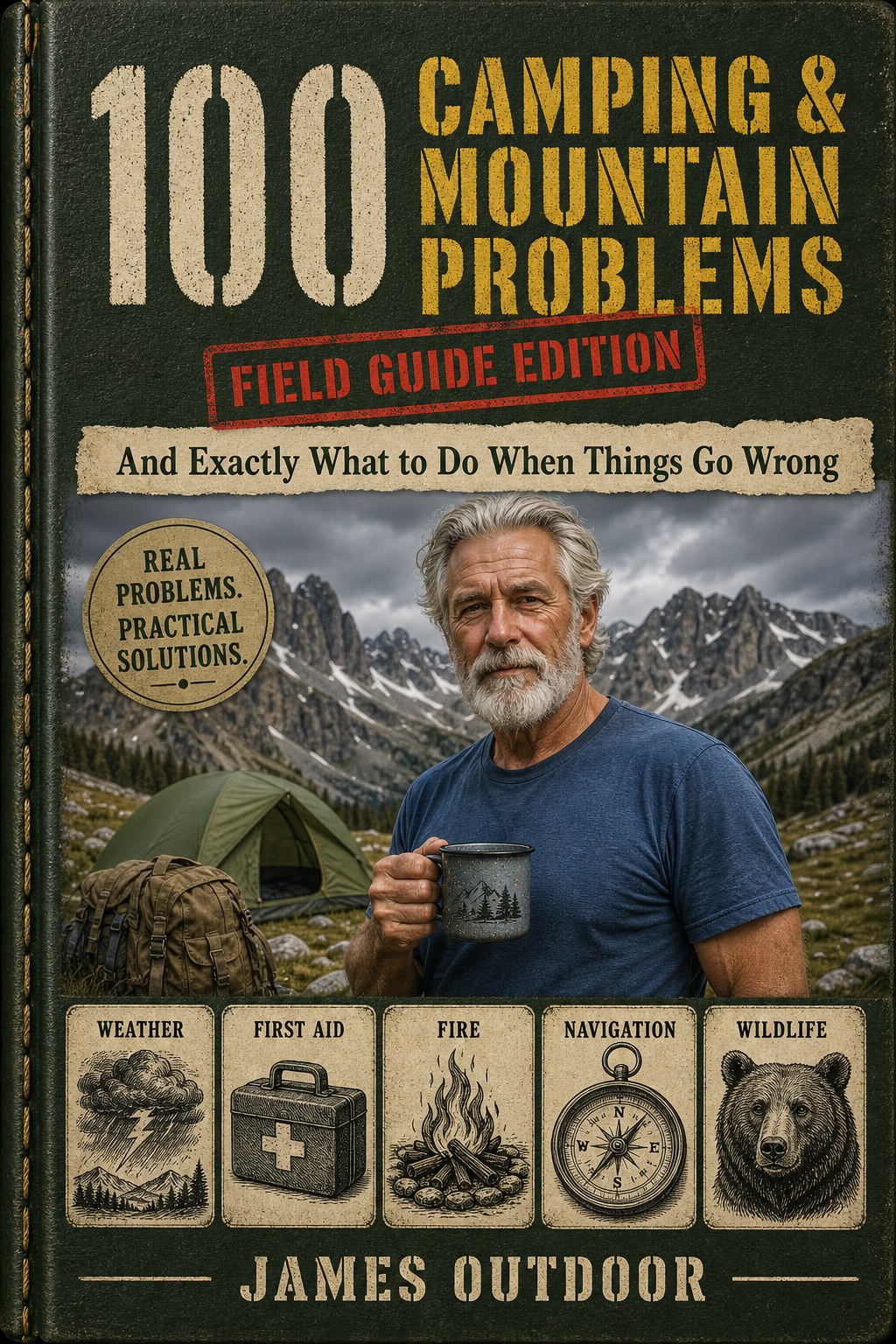
Get the same book Rachel used — $9.99 →Nothing goes wrong on a trip all at once — it goes wrong in a specific order, and it usually starts small. This is the complete troubleshooting manual for ordinary campers and hikers: 100 real problems, each with a severity rating, what to do first, what not to do, what to improvise with the gear already in your pack, and the one decision that matters next. No survivalist fantasy. Just calm, experienced answers for when plans fail.
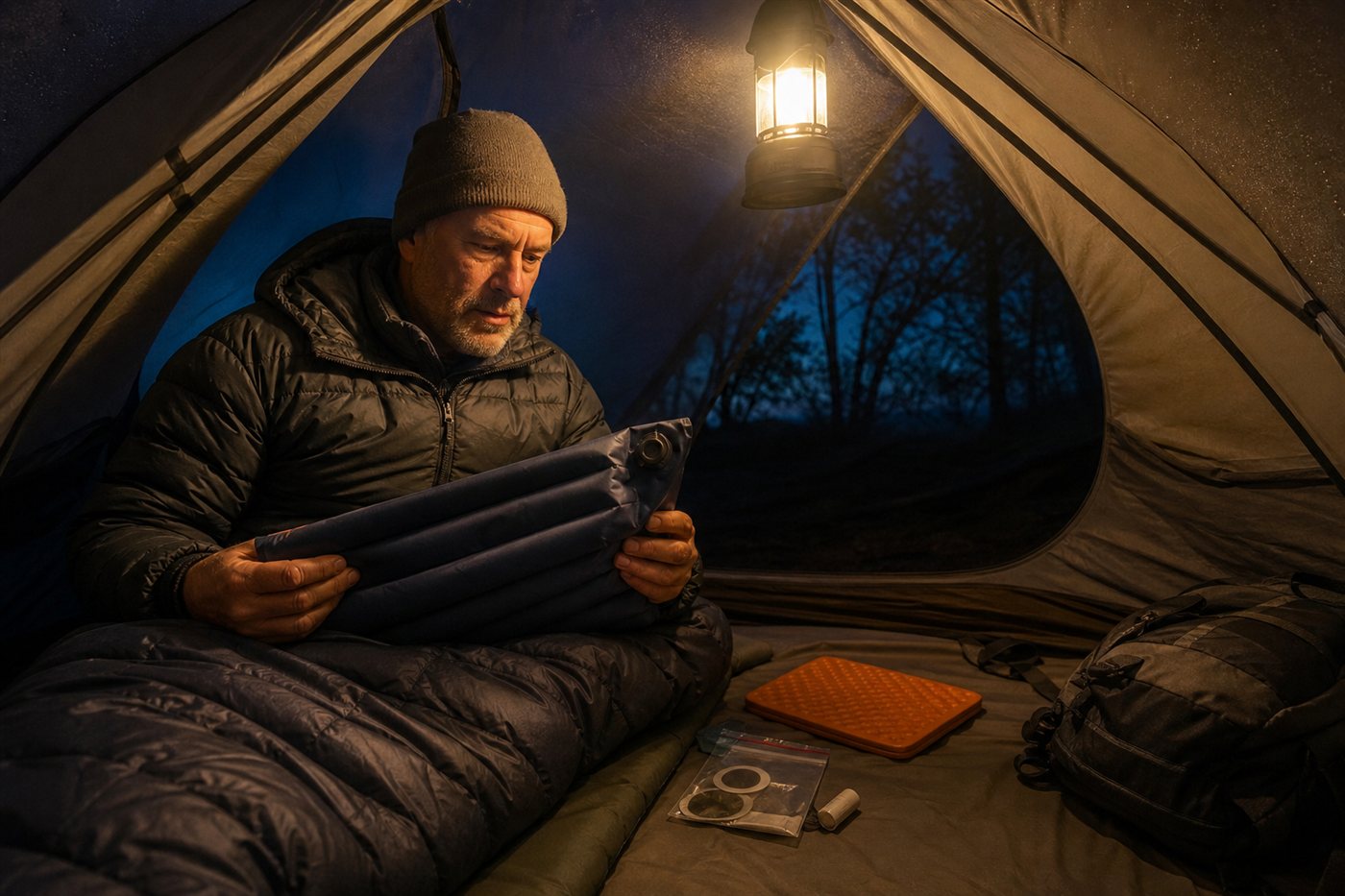
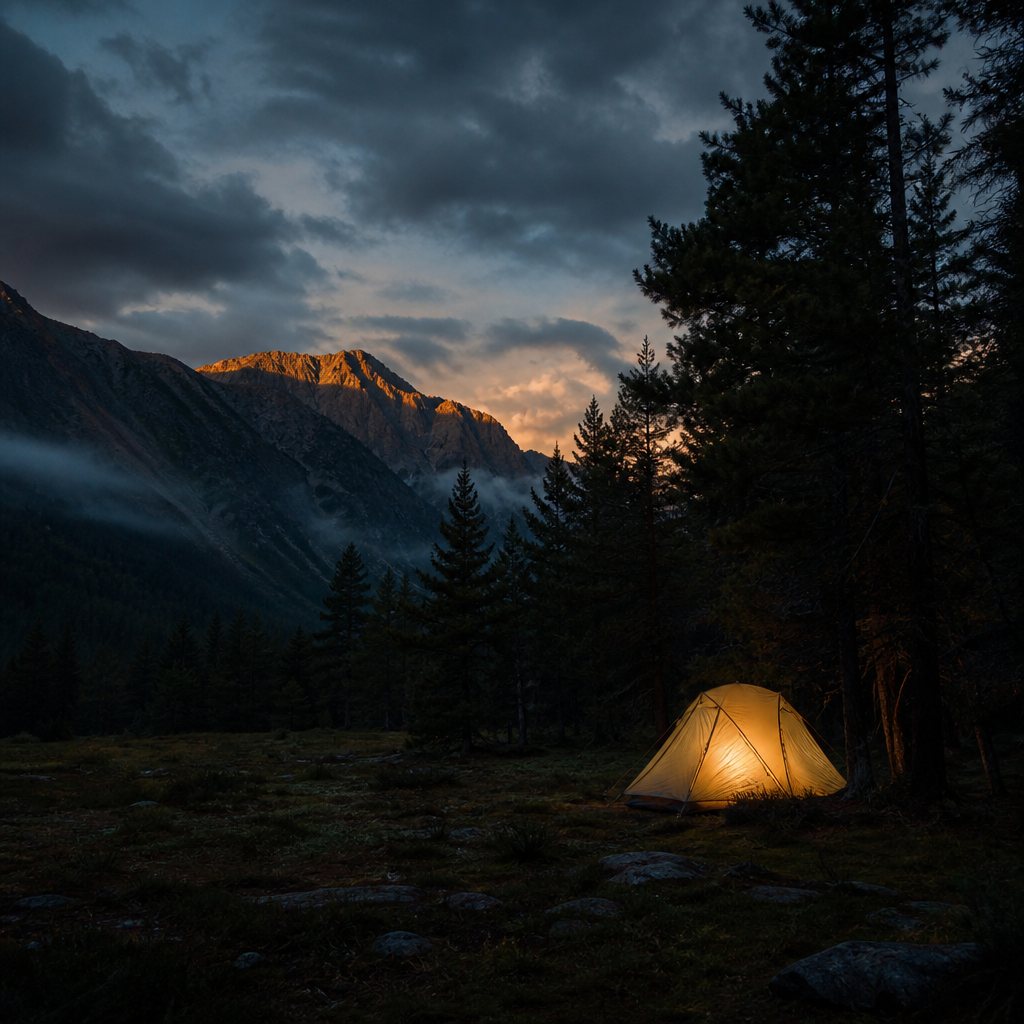
I've been cold in a 20-degree bag before and never understood why. This book explained it in one page — the pad does the insulating, and mine was done for the night. The problem entry gives you the midnight fix in order: find the leak by ear, close the valve, foam sit pad or folded spare clothes under the worst spot, hot water bottle sealed and bagged into the foot box. Four minutes of work, and I slept until sunrise. The chapter on why campers get cold in "adequate" bags is worth reading before you buy anything else.
Get the same book Doug used — $9.99 →"Turning back isn't giving up. On the mountain, it's the most experienced decision there is."
Camping problems rarely start as emergencies. They start as a small mistake, an early storm, a slow leak, a missed junction — and grow only when nobody decides what to do next. This book is about that exact moment: what matters, what to do first, and how to keep a manageable problem from becoming a dangerous one.
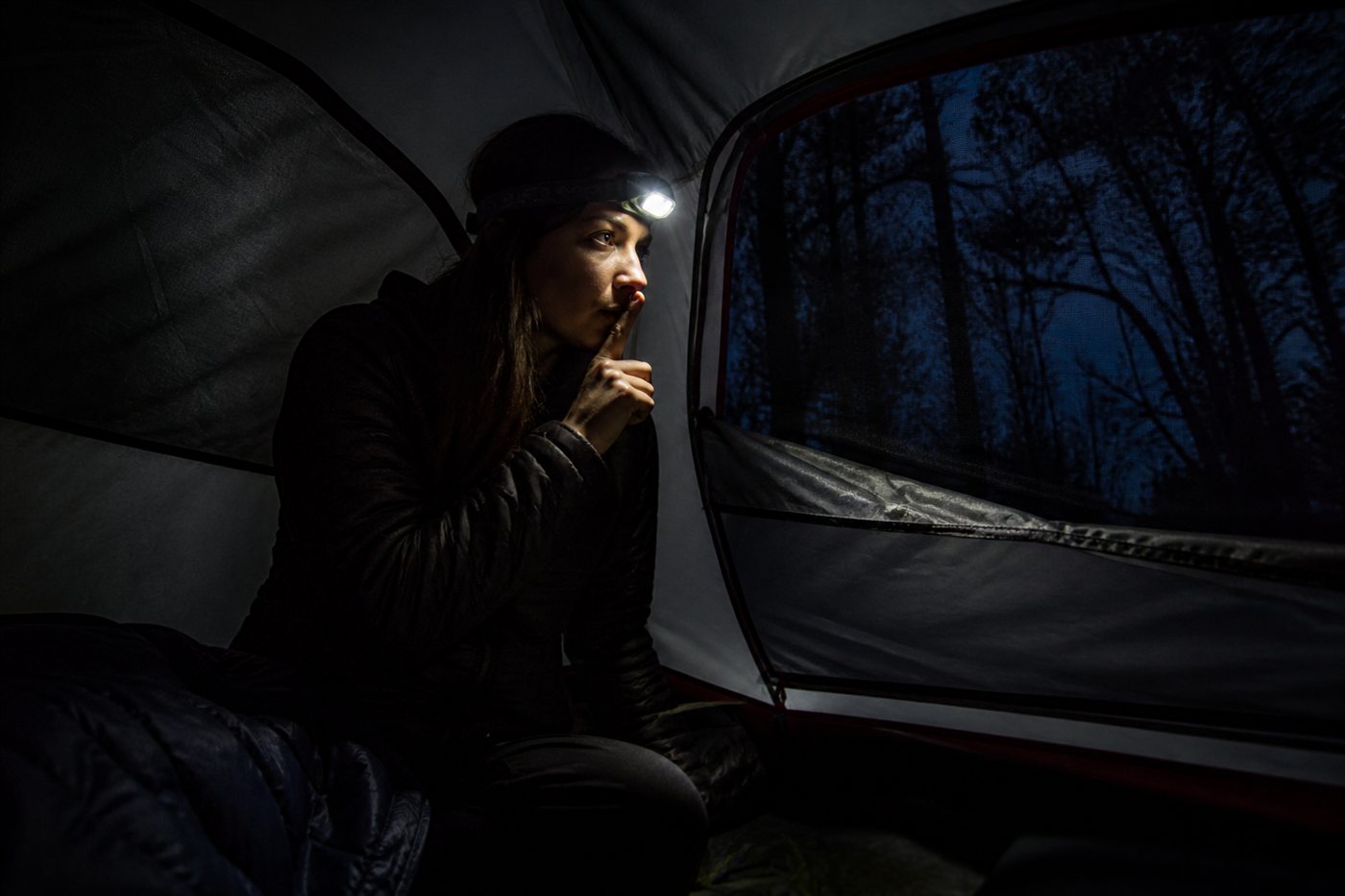
My first solo trip, and every sound became a bear. The night-sounds reference breaks down what's actually walking around a campground at night — the quick shuffling pattern of a raccoon, the single heavy pass of a deer, wind moving two trees together — and what's worth investigating versus what isn't. I followed the entry exactly: light on, make noise, sit up, listen. Whatever it was moved off in ninety seconds. My food had been hung a hundred yards away because of Chapter 9, which is probably why the story ends here and not at a ranger station.
Get the same book Priya used — $9.99 →No bushcraft. No gear obsession. Four small routines that turn "we'll figure it out" into something you can actually see.
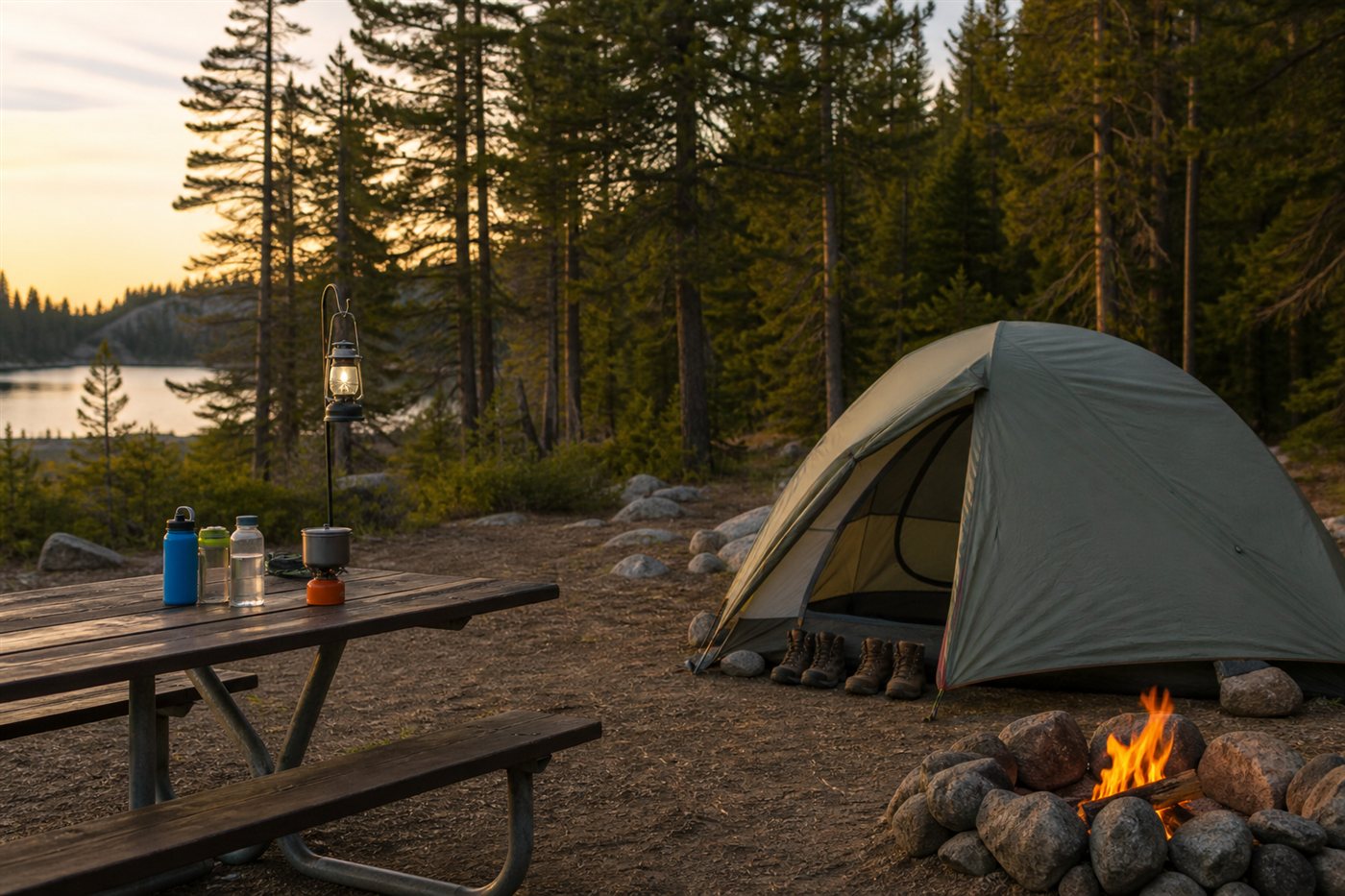
Tent back to the wind, food a hundred yards out, light where you can find it, water within reach. Ten minutes of setup order prevents most of what goes wrong at 2am — and the book shows you exactly which ten minutes matter.
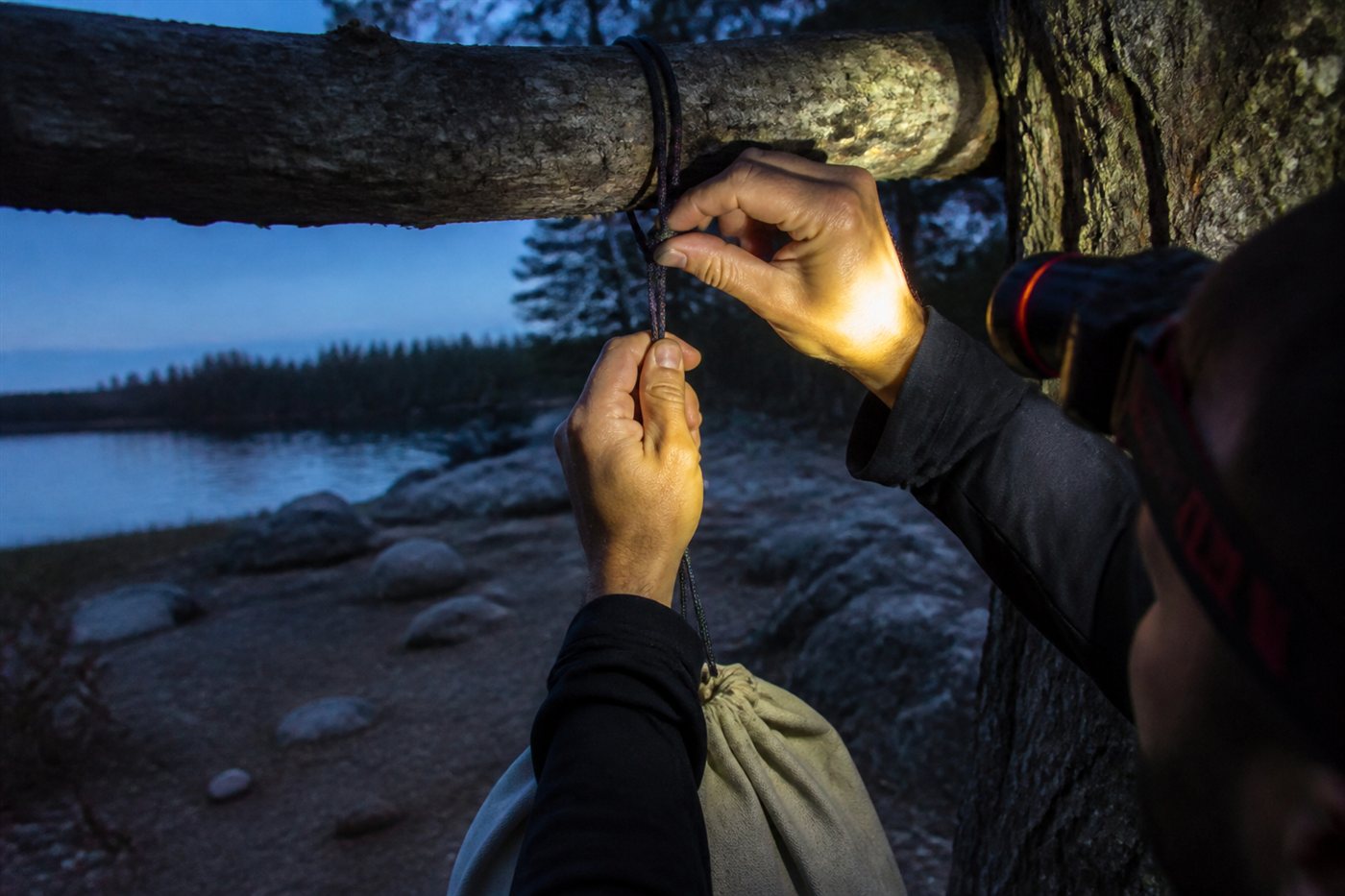
Bear box, canister, or hang — depending on the rules where you're standing. One habit, done before dark, ends the most common wildlife problem in camping before it starts. Chapter 9 covers every method and when each one applies.
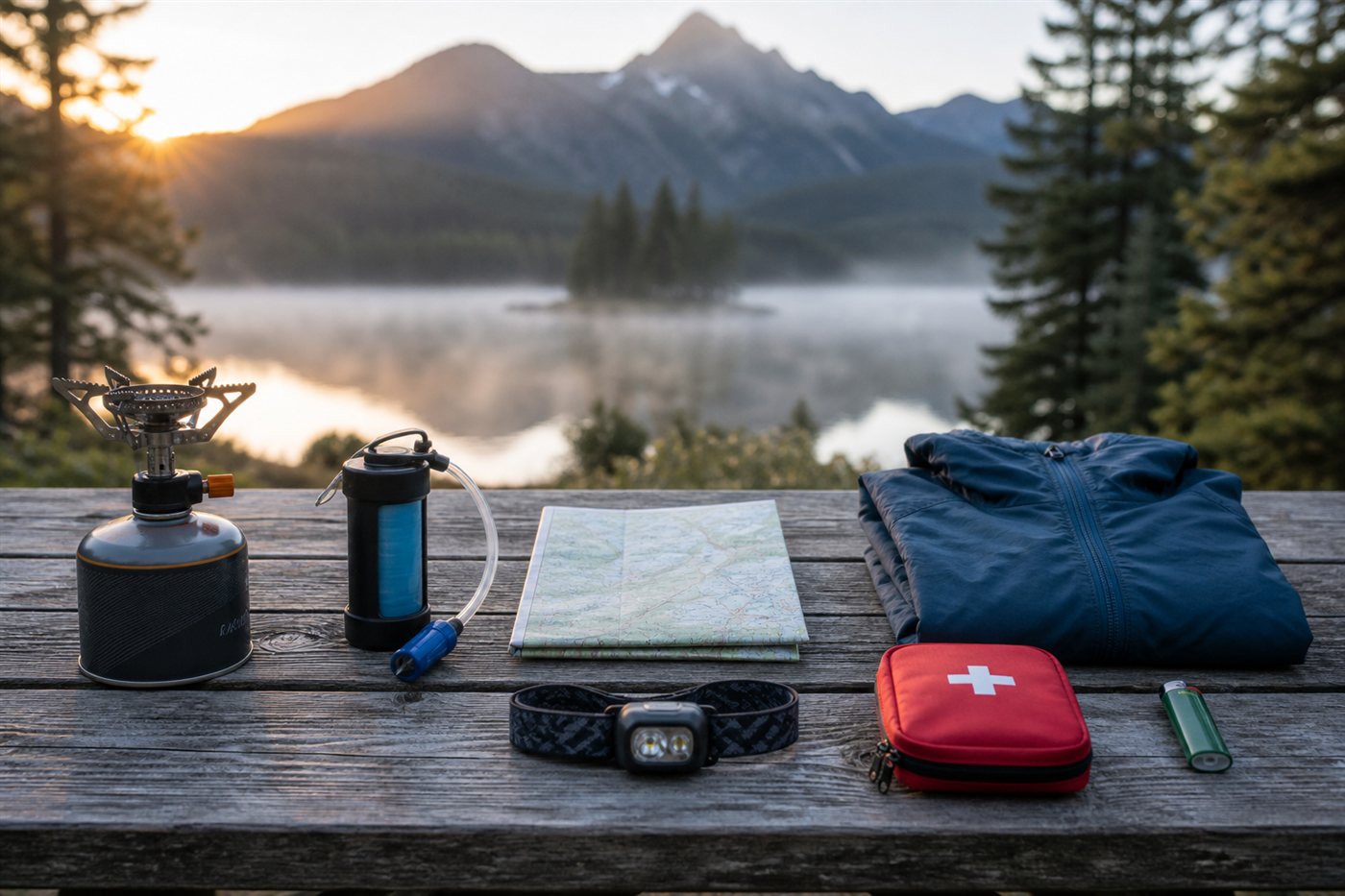
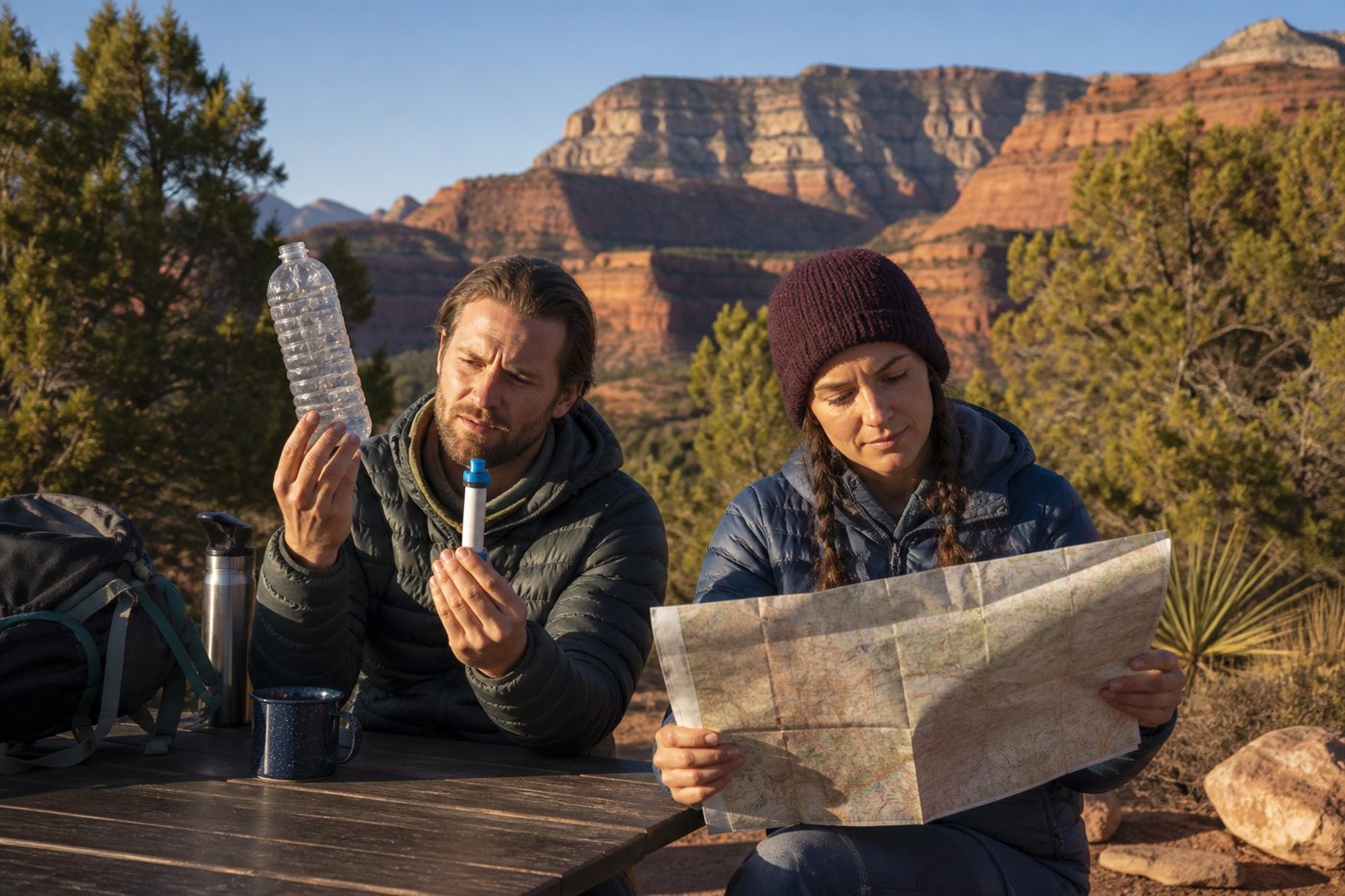
A filter plus a backup — tablets, a boil plan, or a second method — means a failed filter is an inconvenience instead of an emergency. The water chapter shows how to build redundancy without buying a single extra gadget.
One message to one person before you lose signal: where, which trail, back by when. It costs thirty seconds and it's the difference between "late" and "missing." The communication chapter builds the whole plan around it.


Jen figured it out at the first creek crossing, and we just stood there doing the math. The water chapter walks through this exact mistake: take inventory, stop sipping out of habit, and remember that rationing to the point of dehydration makes every decision worse. We boiled dinner water with extra, treated a backup with tablets I'd been carrying "just in case" — which this book told me to carry — and hiked out hydrated the next morning. A ruined trip turned into a lesson we laugh about now.
Get the same book Mark used — $9.99 →
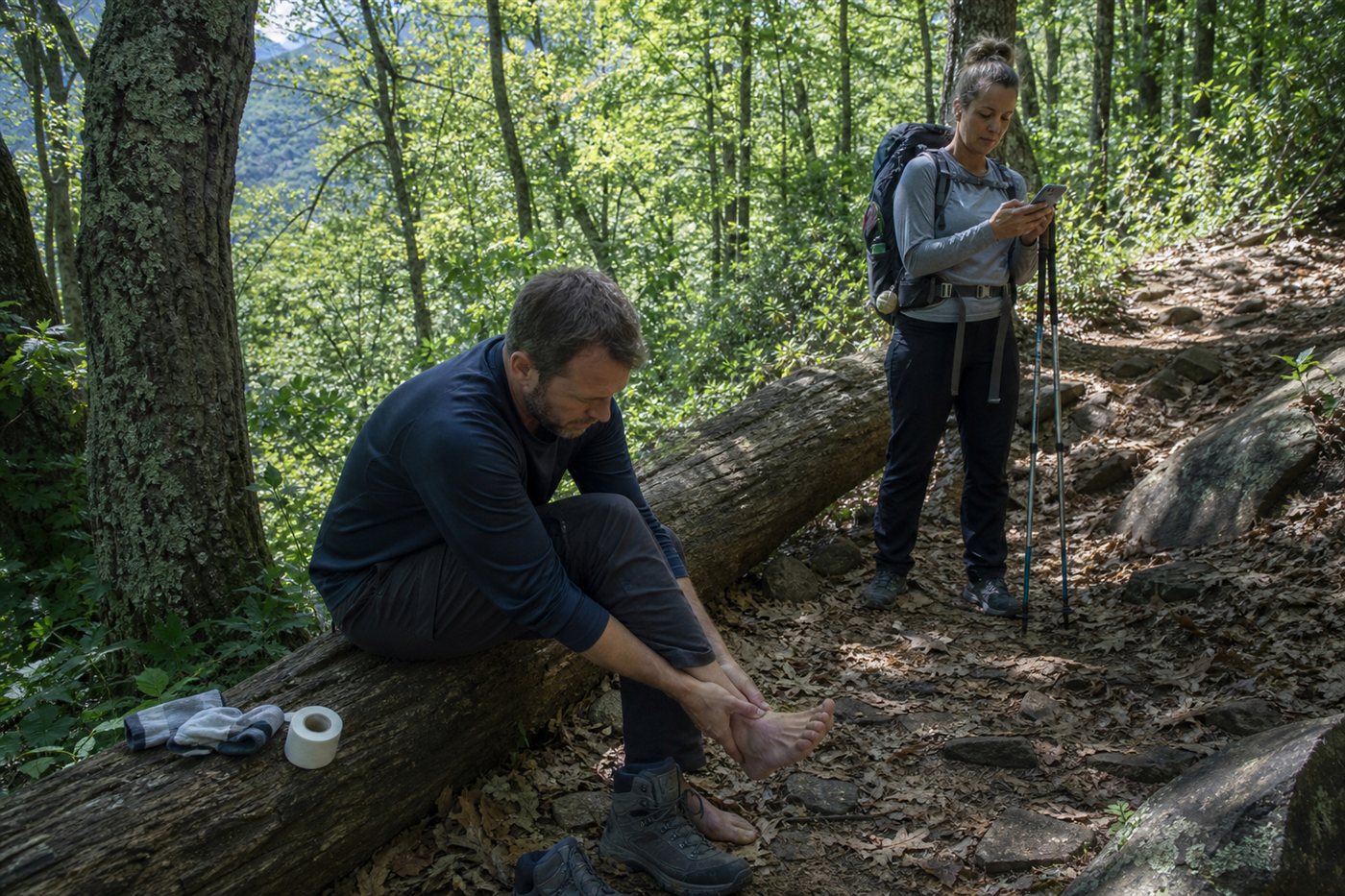
We had planned this ridge loop for a month, and there was no way I wanted to be the one who ended it. The injury chapter has a short checklist — hot spot or blister, can he walk normally, how many hours of light are left, what's the weather doing — and the section on summit fever describes exactly what my brain was doing: we've come this far, we can't quit now. We taped, turned back at the fork, and were at the car by four. The book calls turning back a decision you make with information, not with your ego. That line reframed the whole day.
Get the same book Carol used — $9.99 →
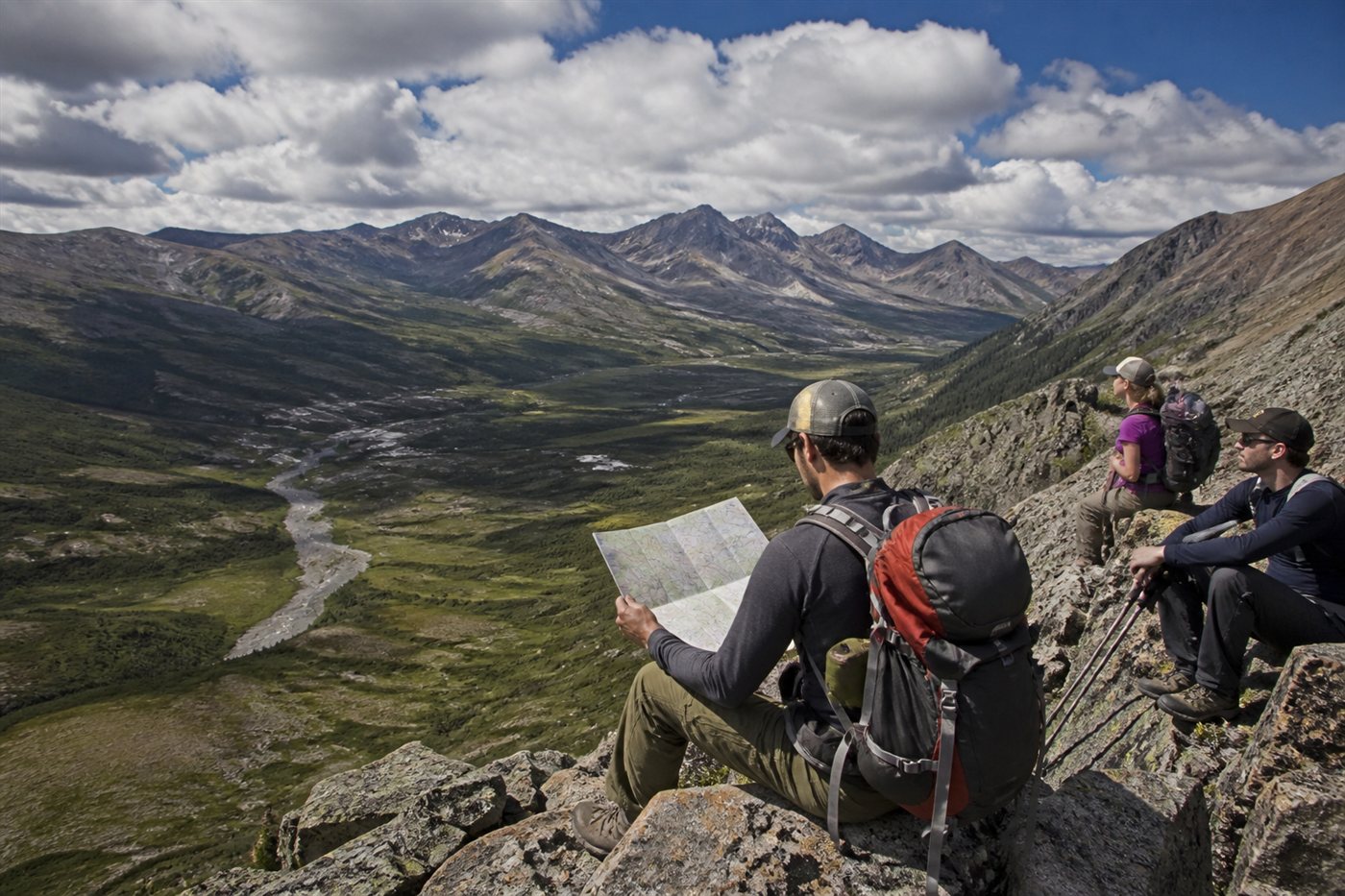
First real backpacking trip, first time genuinely lost, and my phone was dying. The lost-hiker entry is a ten-minute flow: stop before you wander, mark your last known point, one short look with the map — not the phone — then decide with the daylight you actually have. I backtracked one ridge line, found the blaze I'd walked past, and made the trailhead by dark. The book's rule about batteries — navigate first, photograph later — is now permanently how I hike.
Get the same book Alicia used — $9.99 →Download it in the next two minutes. Skim the Problem Index tonight. You will never stand at a failing tent, a dark trail, or a strange sound at midnight without a plan again.
Get the eBook — $9.99 →